A Journey From Early Science to Modern Mind–Body Care
Neurofeedback and biofeedback are often described as “cutting-edge” approaches to wellness, yet the history of neurofeedback and biofeedback stretches back more than a century. What began as scientific curiosity about the body’s hidden signals has evolved into evidence-informed tools used in healthcare, mental health, education, and performance optimization.
Understanding where these practices came from helps explain why they are increasingly valued in today’s integrative mental health landscape.
Early Foundations: Listening to the Body (Late 1800s–1950s)
Physiology before psychology
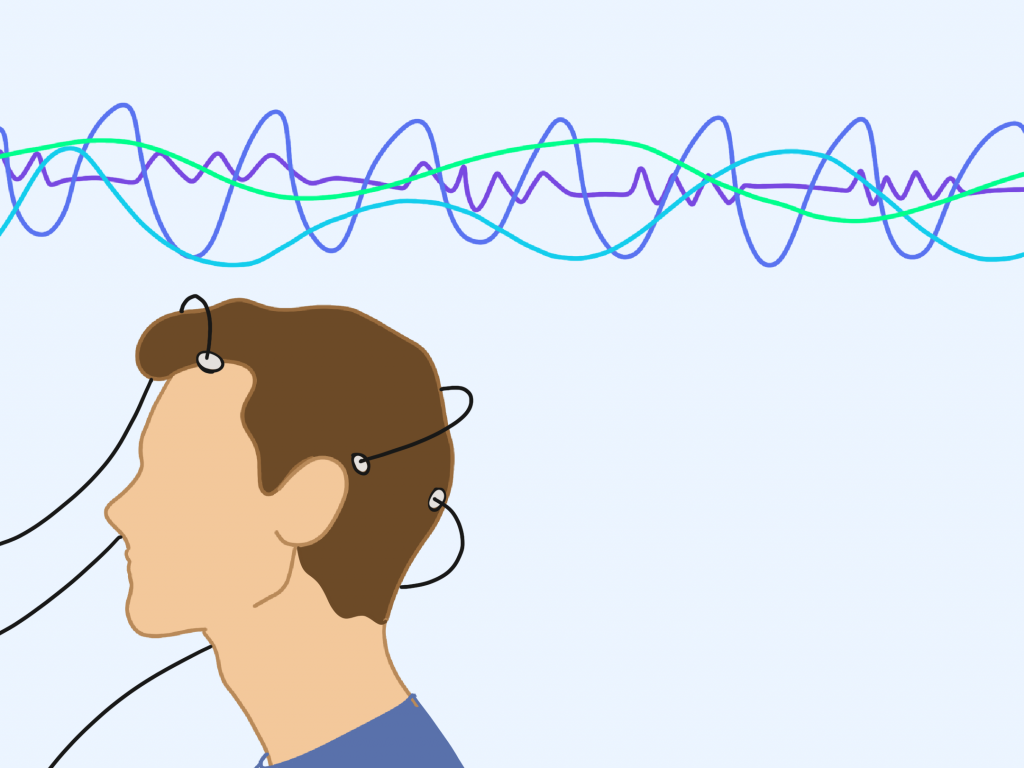
In the late 19th and early 20th centuries, scientists began measuring internal bodily processes such as heart rate, muscle tension, skin temperature, and respiration. At the time, these functions were considered automatic and outside of conscious control.
As measurement tools improved, researchers made a key discovery: many physiological processes could be observed in real time—and potentially influenced through awareness and training.
The discovery of brainwaves
In the 1920s, researchers identified electrical activity in the brain, later referred to as brainwaves. These patterns were found to correlate with different states such as focus, relaxation, sleep, and emotional regulation.
This discovery laid the groundwork for understanding the brain as a dynamic, trainable system rather than a fixed one.
The Birth of Biofeedback (1950s–1960s)
Turning signals into feedback
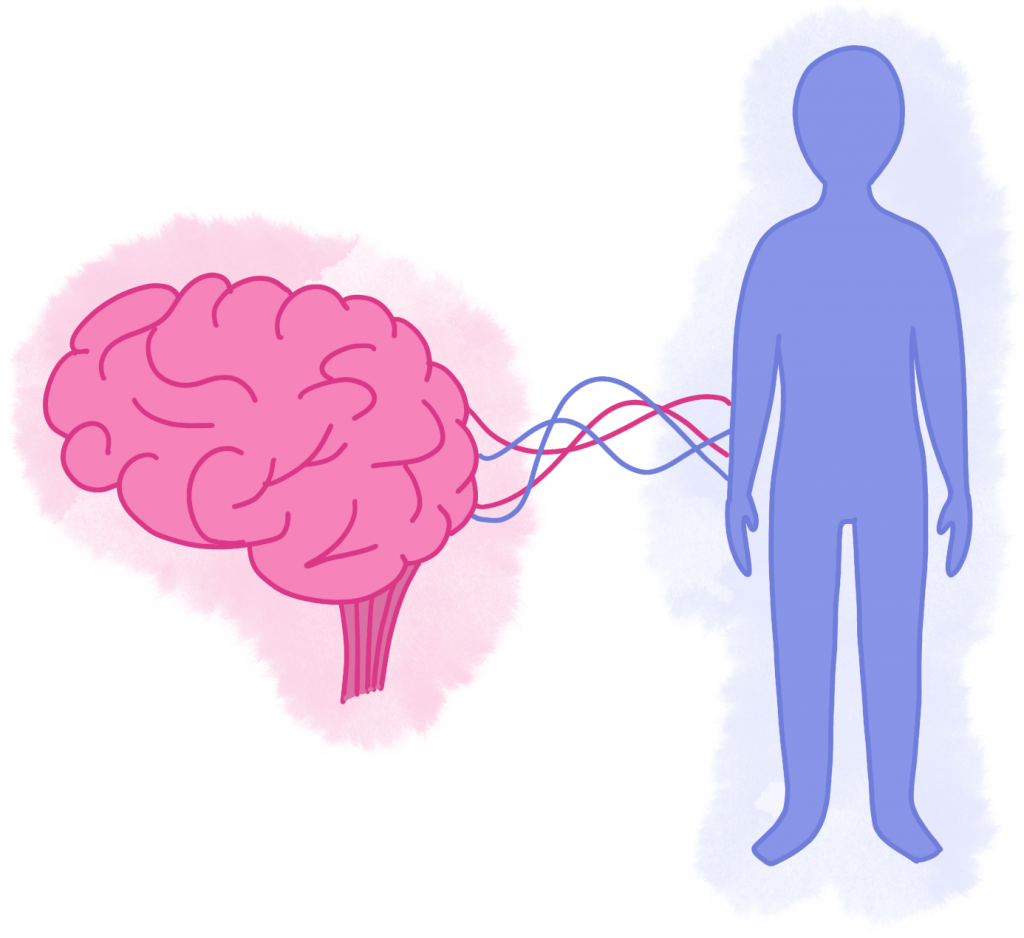
By the mid-20th century, advances in electronics made it possible to convert physiological signals into visual or auditory cues. For the first time, individuals could see their heart rate, muscle tension, or skin conductance displayed on a screen.
This real-time information became known as biofeedback.
A breakthrough insight
Researchers observed that when people received immediate feedback about their internal states, many could learn to voluntarily influence them. Over time, this ability led to measurable improvements in stress response, pain management, and physical regulation.
Biofeedback formally emerged as a therapeutic and training approach grounded in self-regulation rather than passive treatment.
Neurofeedback Emerges (1960s–1970s)
Training the brain itself
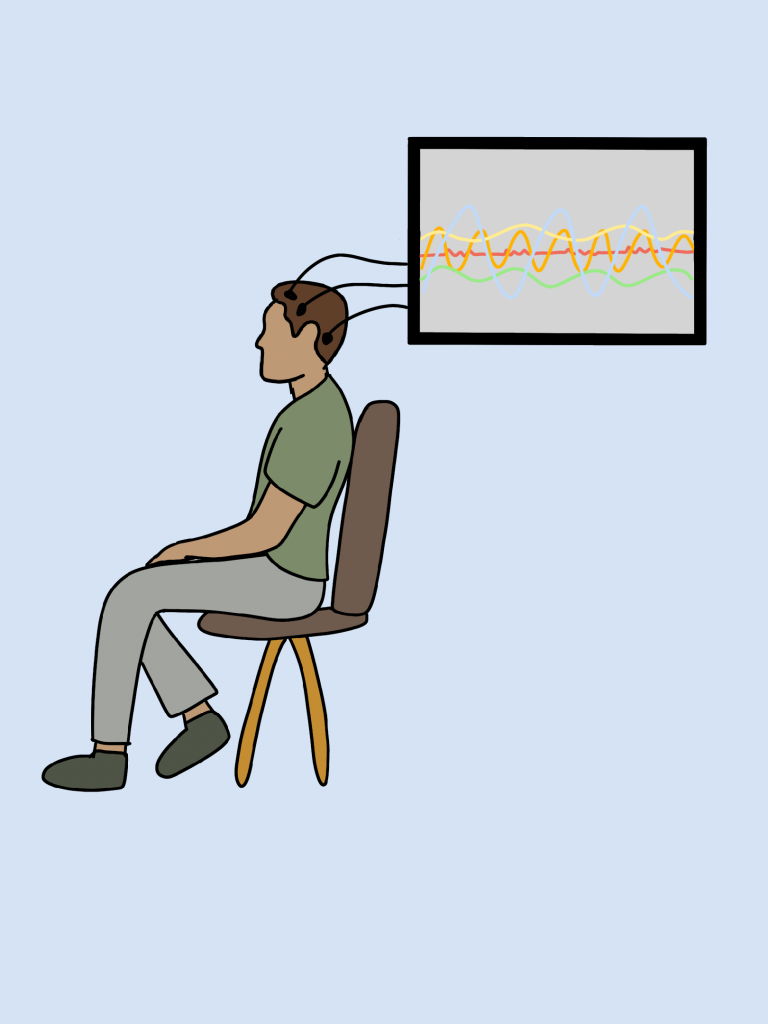
Scientists soon applied the same feedback principles directly to brain activity using EEG technology. This specialized form of biofeedback became known as neurofeedback.
Rather than training muscles or heart rate, neurofeedback focused on helping the brain recognize and shift its own patterns.
Early applications
Initial research explored neurofeedback for:
- Seizure reduction
- Attention regulation
- Stress and arousal balance
Although the technology was large and expensive, early findings suggested that the brain could learn new, more regulated patterns through feedback and repetition.

Growth and Clinical Integration (1980s–1990s)
Technology catches up
As computers became faster, smaller, and more affordable, neurofeedback and biofeedback systems became more precise and accessible. Software advancements allowed for real-time analysis of complex physiological data.
This technological shift made clinical and educational applications far more practical.
Expanding use
During this period, biofeedback gained wider use for:
- Stress and anxiety management
- Chronic pain and headaches
- Muscle rehabilitation
- Cardiovascular regulation
At the same time, neurofeedback expanded into areas such as:
- Attention and focus challenges
- Emotional regulation
- Sleep difficulties
- Performance enhancement
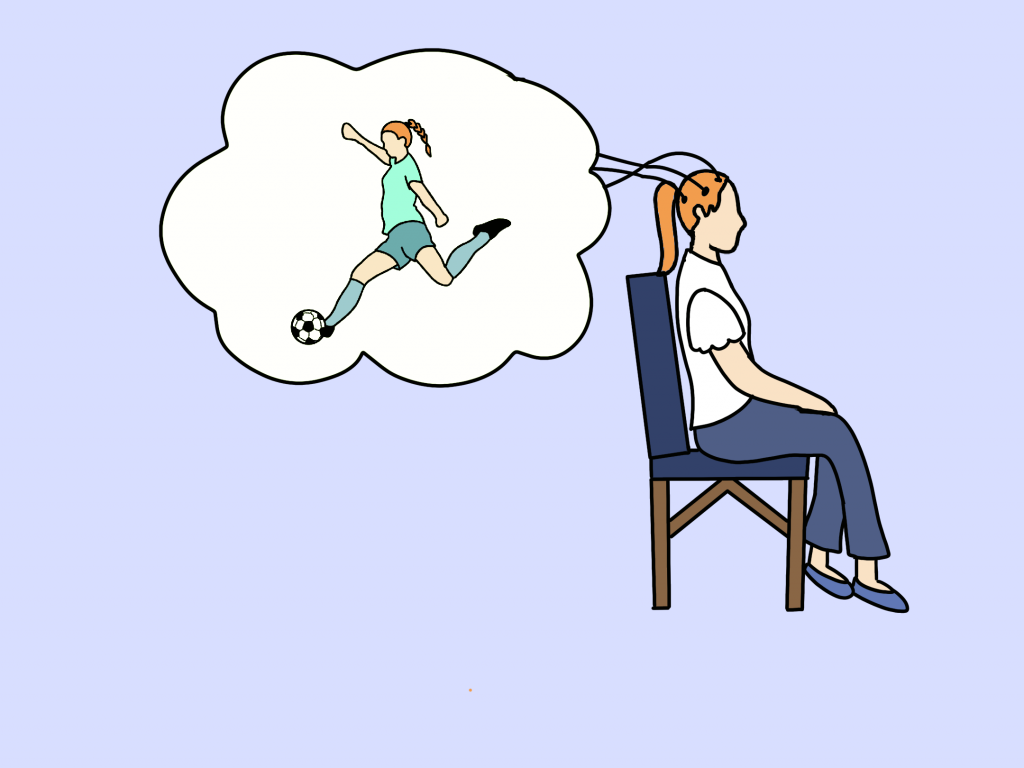
Modern Era: Evidence-Informed and Integrative (2000s–Present)
Refinement and validation
Over the past two decades, research protocols, professional standards, and certification pathways have strengthened significantly. Neurofeedback and biofeedback are now commonly described as evidence-informed, emphasizing data, outcomes, and individualized care.
Rather than one-size-fits-all solutions, modern approaches focus on the unique nervous system patterns of each individual.
A whole-person approach
Today, neurofeedback and biofeedback are often integrated with:
- Mental health treatment
- Medical care
- School-based programs
- Sports and peak-performance training
- Wellness and prevention initiatives
Modern systems are also more portable and user-friendly, allowing services to reach clinics, schools, community settings, and underserved populations.
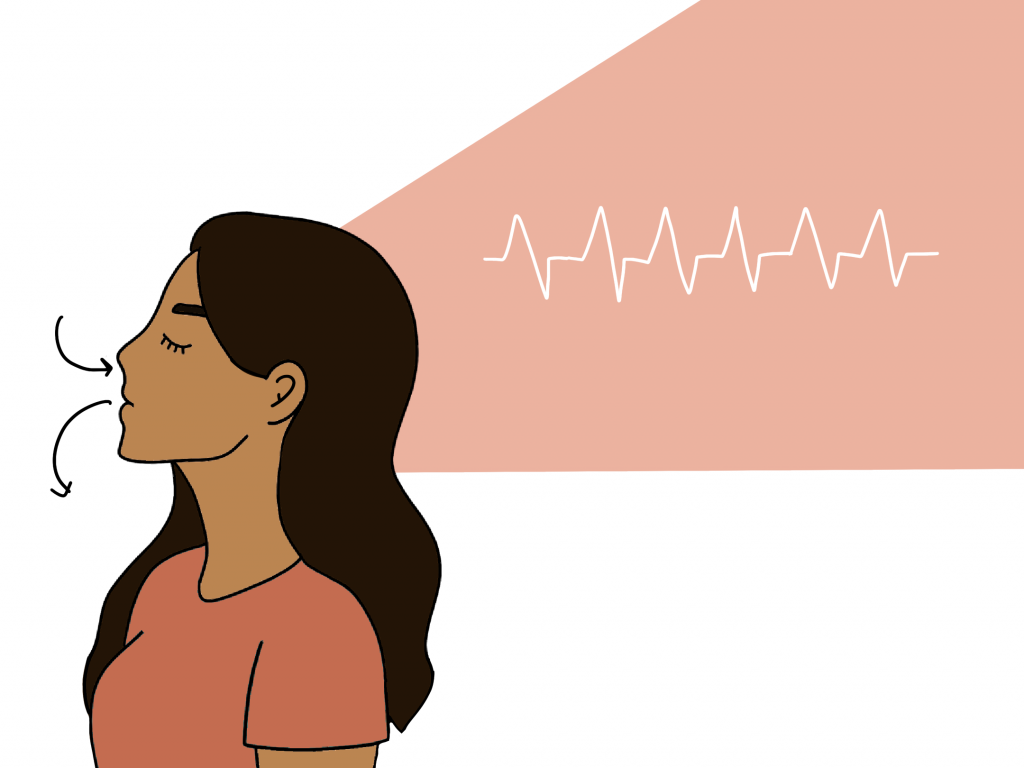
Why the History of Neurofeedback and Biofeedback Matters
Neurofeedback and biofeedback are not trends. They are the result of decades of scientific inquiry, clinical application, and technological refinement.
Their evolution reflects a broader shift in healthcare:
- From symptom suppression to self-regulation
- From passive treatment to active participation
- From isolated symptoms to mind–body integration
Understanding this history helps build trust, clarity, and realistic expectations around what these tools can support.
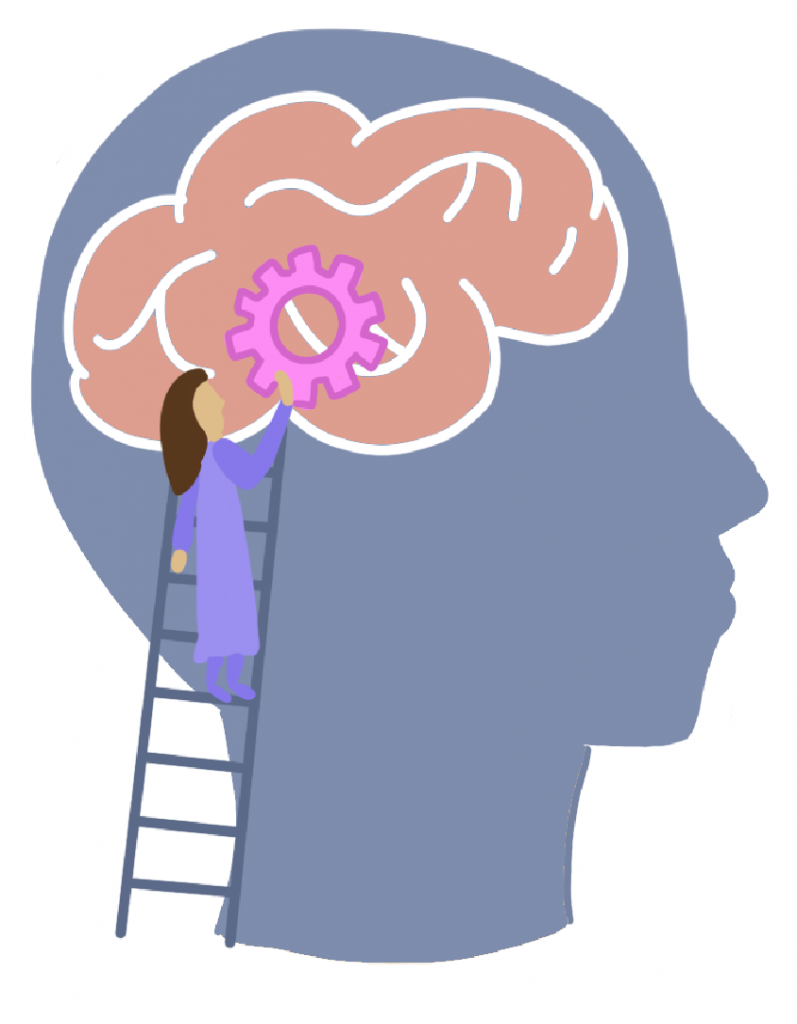
Looking Ahead: The Future of Neurofeedback and Biofeedback
As technology continues to advance and research expands, neurofeedback and biofeedback remain grounded in a simple yet powerful principle:
When people are given accurate information about their own bodies and brains, they can learn to change how they function.
This principle—rooted in history and refined by modern science—continues to guide the future of integrative mental and physical health care.
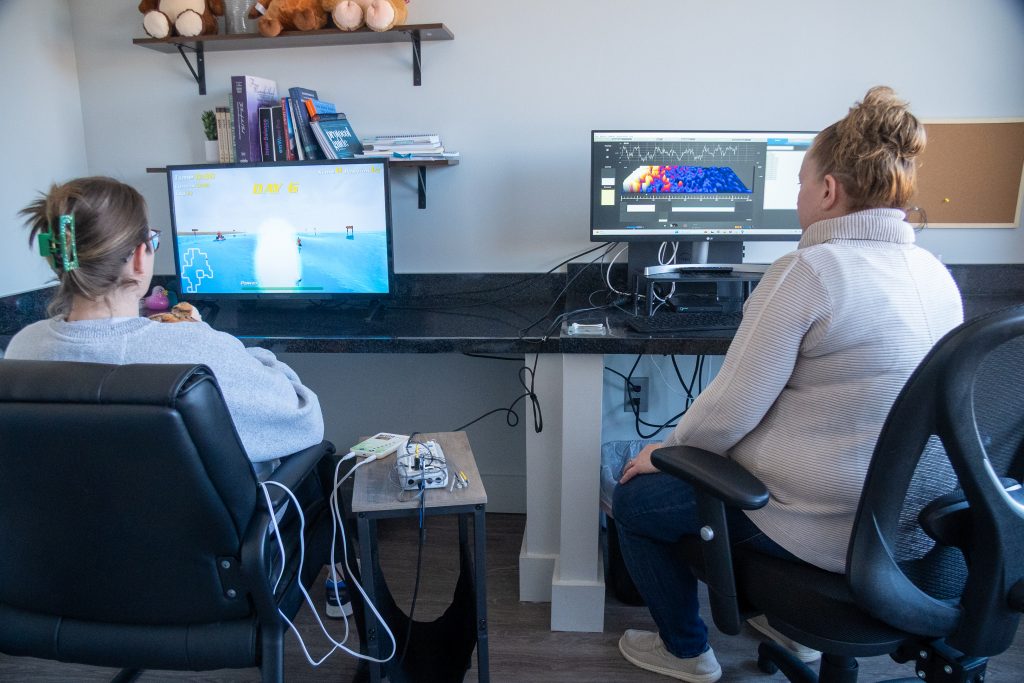
Integrative Mental Health Rooted in Self-Regulation
At Integrative Mind and Body Services, we believe mental health care should be accessible, preventative, and rooted in empowerment. Through evidence-informed approaches such as neurofeedback and biofeedback, we support individuals, schools, and communities—especially those with limited access to care.
Take the next step with us:
- Learn how neurofeedback and biofeedback support emotional regulation, focus, stress reduction, and overall well-being
- Partner with IMBS to bring integrative mental health services into schools, community organizations, or special programs
- Support access to care through a tax-deductible donation that helps expand services for children, families, and underserved populations
Together, we can strengthen nervous systems, build resilience, and create healthier communities—one individual at a time.
Start Your Journey to Optimal Health
Ready to take the first step? Book your FREE consultation today and discover how Neurofeedback and Biofeedback Therapy can transform your life.
Fill out the form to be contacted by a member of our staff.