Neurofeedback and biofeedback are powerful tools for helping people regulate their brains and nervous systems. These approaches support individuals experiencing anxiety, trauma, depression, sleep challenges, chronic stress, and difficulties with focus.
While the experience of feeling calmer, sleeping better, or focusing more easily is meaningful for each participant, programs must also demonstrate measurable impact. This is where data collection in neurofeedback and biofeedback programs becomes essential.
Collecting information from individuals receiving services allows organizations to better understand what is working, where improvements can be made, and how these services benefit communities.
In other words, data transforms good work into measurable impact.
Improving Treatment Effectiveness with Data
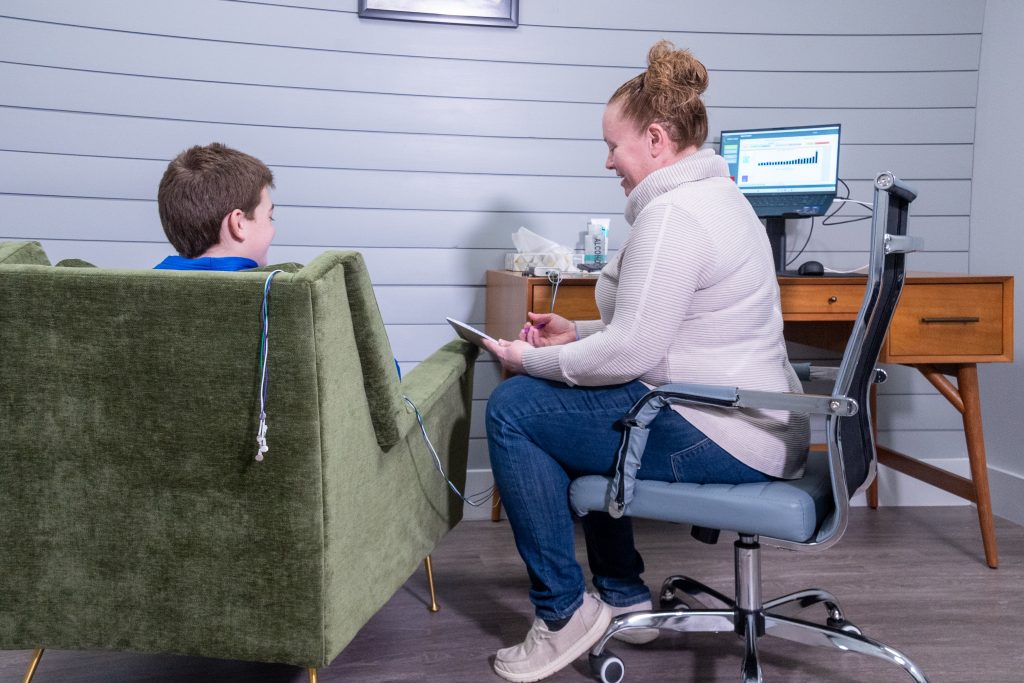
Data collected during neurofeedback and biofeedback programs helps providers refine care in real time.
Examples of helpful data include:
- Participant self-reported symptom changes
- Heart rate variability improvements
- Sleep quality reports
- Attention and focus measures
- Emotional regulation scores
- Session completion rates
When providers track this information, they can identify patterns that help improve treatment plans.
For example:
- If certain neurofeedback protocols consistently improve sleep or attention, they can be used more frequently.
- If participants report faster progress with specific biofeedback exercises, those techniques can be emphasized.
- If progress slows, adjustments can be made earlier.
This feedback loop ensures services evolve based on real outcomes rather than assumptions.

Demonstrating Impact to Funders and Grant Programs
Many neurofeedback and biofeedback programs operate within nonprofit organizations or community health initiatives. Grants and philanthropic support often make these services accessible to students, educators, families, and individuals who might not otherwise afford them.
However, grant funders increasingly ask one important question:
What measurable difference did the program make?
Data collection allows organizations to answer this question clearly.
Instead of saying participants “felt better,” programs can report measurable results such as:
- Percentage of participants reporting reduced anxiety
- Improvements in sleep quality
- Increased emotional regulation scores
- Reductions in stress indicators
- Attendance improvements in school-based programs
These outcomes help grant reviewers understand that resources are producing real and meaningful change.
Without clear data, even highly effective neurofeedback and biofeedback programs may struggle to demonstrate their value.

Strengthening Fundraising and Community Support
Donors want to know that their contributions are making a difference. Data helps organizations tell that story in a clear and compelling way.
For example, programs may be able to share outcomes such as:
- 92 percent of participants reporting improved stress management
- Measurable improvements in heart rate variability
- Reduced burnout scores among educators
- Increased emotional regulation among students
When paired with participant stories, these numbers illustrate the real-world impact of brain and nervous system regulation programs.
For nonprofits expanding access to innovative care like neurofeedback and biofeedback, this evidence is critical for sustaining and growing programs.
Creating Accountability and Continuous Improvement
Data collection also promotes transparency and accountability.
Organizations that track outcomes demonstrate a commitment to:
- Responsible use of funding
- Evidence-informed practice
- Continuous program improvement
- Measurable community impact
This approach helps build trust with:
- School districts
- Healthcare partners
- Philanthropic organizations
- Community leaders
- Families and participants
Over time, this trust strengthens partnerships and makes it easier to expand neurofeedback and biofeedback services to additional communities.
Data Tells the Story of Healing
Behind every data point is a person learning to regulate their brain and nervous system.
A student who can focus in class again.
An educator who feels less overwhelmed.
A parent who finally sleeps through the night.
An individual recovering from trauma who feels calm in their body again.
Data ensures these outcomes are not only experienced but also recognized, supported, and expanded.
When programs measure what matters, they create a foundation for stronger care, stronger communities, and greater access to innovative mental health support.
Moving Forward
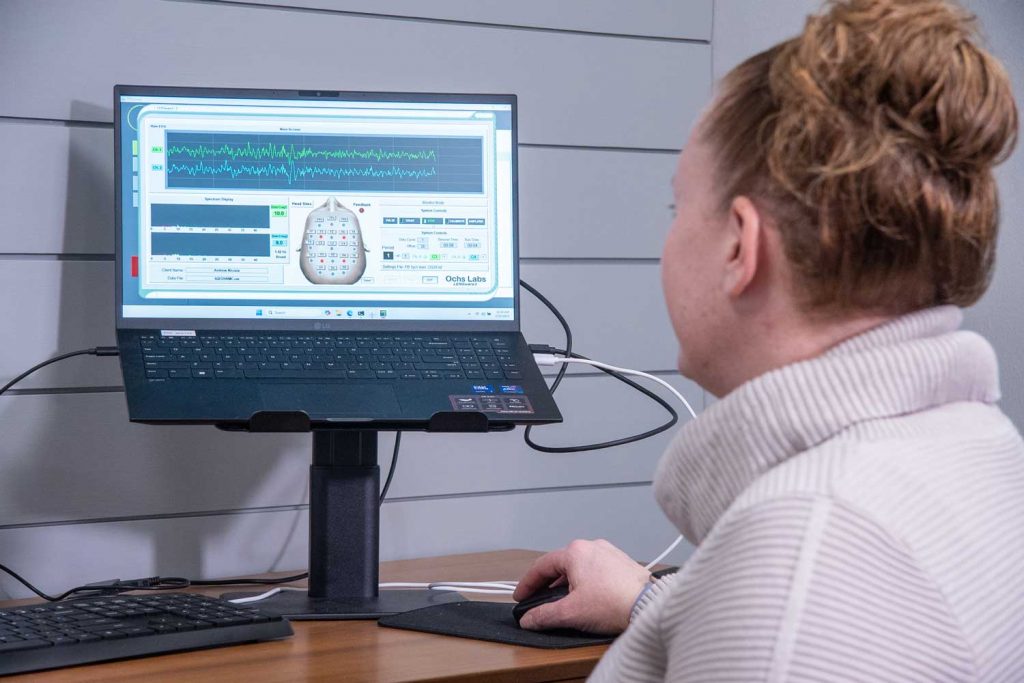
As neurofeedback and biofeedback programs continue to grow across schools, clinics, and communities, thoughtful data collection will remain a key part of delivering effective services.
By measuring outcomes, organizations can:
- Improve the quality of care
- Expand access through successful grant funding
- Demonstrate meaningful impact to donors
- Build stronger, healthier communities
Because when we track progress, we create the opportunity to help even more people regulate, recover, and thrive.
Start Your Journey to Optimal Health
Ready to take the first step? Book your FREE consultation today and discover how Neurofeedback and Biofeedback Therapy can transform your life.
Fill out the form to be contacted by a member of our staff.